Tarot Spread Guide for Beginners

Tarot spreads are like maps for the soul, guiding us through life’s twists and turns with a touch of mystery and magic. Each layout tells a story, weaving together the cards’ meanings to reveal insights about our past, present, and future. Whether you’re seeking clarity on a tough decision or just curious about what the universe has in store, a tarot spread can feel like opening a window to your inner world.
I’ve always thought of tarot as a conversation with the unseen-part intuition, part symbolism, and a sprinkle of serendipity. The beauty of spreads lies in their variety; from simple three-card pulls to intricate designs that get deep into every corner of your life, there’s something for everyone. It’s not just about fortune-telling; it’s about reflection, connection, and maybe even a little self-discovery. So, why not shuffle the deck and see what unfolds?
What Is A Tarot Spread?
A tarot spread is kind of like a blueprint for your reading. Think of it as laying a foundation where each card has its spot and a specific job to do. It’s not just a random shuffle-and-draw situation-there’s a method to the madness. These spreads can range from super simple, like pulling a single card to answer a question, to over-the-top complex spreads that look like they were designed by an architect who moonlights as a puzzle master.
Each tarot spread is essentially a layout, a map if you will, that organizes the cards in a certain way to tell a story. Depending on the spread you’re using, you might see a glimpse of the past, get into the present, or unravel potential future outcomes. Picture it as having a conversation with the cards, where the spread decides who gets to talk and when.
Some spreads are as straightforward as a three-card layout-past, present, future-which is like the mac and cheese of tarot (simple, comforting, and reliably satisfying). Others? They can go full-on gourmet, requiring you to pay attention to things like card position, relationships between the cards, and even reversals, which can add a whole lot of seasoning to your reading.
At its core, a tarot spread gives structure to all that swirling intuition and symbolism. Without it, pulling cards could feel like wandering around lost at a theme park with no map. With a spread, it’s easier to understand what each card means where it lands and how they all connect to each other. Honestly, it’s kind of magical how the layout itself seems to weave everything together into something meaningful.
Features Of A Tarot Spread
Tarot spreads are like blueprints for your reading, guiding you step-by-step to uncover hidden truths or explore burning questions. Each spread has its own vibe, structure, and purpose, making them as versatile as your morning coffee order (seriously, there’s something for everyone). Let’s get into what makes these card layouts so fascinating!
Types Of Tarot Spreads
Tarot spreads come in all shapes and sizes-think of it like a pizza menu where you can go plain cheese or pile on every topping imaginable. The most common types include:
- One-Card Pulls: Perfect for quick clarity when life throws you a curveball-or when you just can’t decide between two Netflix shows. This ultra-simple spread focuses on a single card for guidance.
- Three-Card Spreads: The holy grail for beginners and pros alike. It’s a “past, present, future” snapshot that’s as balanced as a well-organized to-do list. You can also switch it up for themes like “mind, body, soul” or “problem, solution, outcome.”
- Multi-Card Layouts: These are the big guns-Celtic Cross, Horseshoe, or Zodiac spreads-that dig deep into your psyche. They take more time and effort but, oh boy, do they deliver layers of insight.
Each type caters to different moods and questions. Are you in for quick advice or ready to dissect every possible angle? The choice is yours!
Popular Tarot Spread Layouts
Some tarot spreads have reached celebrity status due to their versatility and effectiveness. Here are a few big players in the tarot world:
- Celtic Cross Spread: This is the Beyoncé of tarot spreads-classic, iconic, and commanding attention. With ten cards highlighting everything from external influences to hidden opportunities, it’s perfect for major life situations.
- Love & Relationship Spread: If “What’s going on in my love life?” is on repeat in your head, this spread is your go-to. It focuses on your connection with another person or your relationship with love itself.
- The Horseshoe Spread: Think of this as a roadmap for decision-making. With seven cards highlighting different perspectives, it’s like getting advice from a dream team of your past, present, and future selves.
- Career Path Spread: Feeling stuck in your job? This spread zones in on your professional goals and the steps you need to achieve them.
These layouts are like tried-and-true recipes-they’ve been tested and loved by generations of readers for their clarity and depth.
Number Of Cards In A Spread
The number of cards in a tarot spread is kind of like the seasoning in a dish: too little leaves you wanting more, too much might overwhelm you, but the right amount hits that sweet spot.
- Single-Card Spreads: Minimalist to the core, this method is all about precision. Great for answering yes/no questions or giving the day a theme.
- 3-7 Cards: These are the Goldilocks spreads-not too simple, not too complicated. They offer a good mix of depth without spiraling into information overload.
- 8+ Cards: These spreads are for the hardcore seekers. They often dig into specific life areas with laser focus, making them ideal for big-picture questions or transformative work.
The beauty is that you can customize the number of cards based on what feels right for you and the situation. Some days call for simplicity while others demand an all-out storytelling masterpiece.
How To Choose The Right Tarot Spread
Picking the perfect tarot spread can feel like hunting for just the right puzzle piece-it needs to fit your question, mood, and level of confidence with the cards. Whether you’re a curious newbie or a seasoned card whisperer, the right spread will make all the difference in your reading.
Consider Your Question Or Intention
Think of your question or focus as the GPS for your reading-it points you in the right direction. Are you looking for clarity on a single issue? A one-card pull or a three-card spread might be your best bet. If your question is more layered, like “What’s my career trajectory for the next year?” then spreads like the Celtic Cross or the Career Path Spread offer broader insights with more room to explore.
I’ve found that clear intentions are the key. For example, if you’re wondering about love, a spread tailored to relationships will give you much more useful answers than, say, a general past-present-future layout. Match the spread to the depth of your question to avoid frustration-it’s like pairing the right drill bit to the job. You wouldn’t use a jackhammer for hanging a picture, right?
Match The Spread To Your Experience Level
If you’re just getting started with tarot, diving into a 15-card mega-spread might make you want to toss the cards out the window. Stick to something simple at first-a single card for daily inspiration or a three-card layout for straightforward answers. These layouts are like training wheels, giving you the basics without leaving you overwhelmed.
Once you’ve got the hang of interpreting multiple cards together, you can graduate to more advanced spreads. I like to think of complex layouts as navigating a labyrinth-challenging but thrilling when you hit the right path. It’s all about building up your skills at a pace that makes you feel comfortable. Confidence should grow with the cards, not shrink into confusion.
Experiment With Different Layouts
Honestly, some of the best spreads I’ve used came from pure experimentation. If a traditional spread doesn’t quite feel right, don’t be shy about tweaking it or creating your own. Tarot isn’t a one-size-fits-all deal-it’s more like a closet full of clothes where you mix and match to suit your vibe that day.
For example, I once modified a horseshoe spread to focus entirely on decision-making. Instead of looking at the usual past, present, future, I reassigned card positions to represent the pros, cons, and possible outcomes of a choice I was facing. It worked beautifully! Tarot is ultimately a creative tool, so don’t hesitate to tailor it. The cards won’t mind-I promise.
Performance And User Experience
When it comes to diving into the world of tarot spreads, performance and user experience are key players. A spread isn’t just about laying out cards; it’s about feeling guided, engaged, and enriched throughout the reading process. So, let me break it down for you.
Ease Of Understanding
If a tarot spread were a recipe, you’d want it to have clear instructions, right? Some spreads are easy peasy, like boiling water-think one-card pulls or basic past-present-future spreads. Even newbies can pick these up without breaking a sweat. The simplicity of these layouts makes learning a breeze, and the clear roles of each card eliminate guesswork.
On the flip side, there are spreads more complex than figuring out how to fold a fitted sheet, like the Celtic Cross. These require a bit more brainpower because each card has a highly specific position and layered meanings. For readers who’ve leveled up their skills, though, these intricate spreads feel rewarding rather than overwhelming.
The beauty is that most tarot guides and decks come with cheat sheets or guidebooks, which are fantastic training wheels. I’ve noticed that when instructions use relatable language rather than dense jargon, it makes the process so much more approachable.
Intuitive Connection With Spreads
Using a tarot spread should feel like slipping into a perfectly tailored jacket-it just clicks. Over time, I’ve found that certain layouts naturally align with specific moods or situations. For example, the Love & Relationship Spread feels spot-on during those moments when you’re questioning what’s going on with “that” person-we’ve all been there.
This intuitive connection is where magic meets mindfulness. Some spreads almost whisper their wisdom the moment you place the cards, while others might need a bit of coaxing, like trying to get your cat off the kitchen counter. Choosing a spread that resonates with your question and energy makes all the difference. It’s less about memorizing rigid positions and more about playing with the dynamic flow between the cards and your intuition.
Accuracy And Relevance
Alright, let’s be real. No one wants vague, fortune cookie-style readings that leave you squinting for meaning (and failing). The best spreads deliver insights that feel razor-sharp and relevant, like getting an answer that’s been there all along, just waiting to be uncovered.
I’ve found that the spread’s structure plays a major role in its accuracy. The more specific the question or theme, the more likely the cards will reflect precise answers. For example, a Career Path Spread often reveals clear-cut advice about navigating work challenges, whereas a general layout might skip around topics like a distracted goldfish.
Relevance also depends on how well you connect the cards with the spread’s purpose. If the positions are too abstract or don’t align with the question, the interpretation can feel like trying to force a round peg into a square hole. But when everything aligns? The reading feels less like guesswork and more like an “aha” moment.
Comparison To Other Divination Tools
While tarot might feel like the star of the divination world, it’s definitely not alone in the lineup. Other tools like oracle cards, pendulums, and runes all bring their own unique flair to the mystical table. Let’s break down how tarot stacks up-and stands apart.
Differences From Oracle Cards
Okay, so imagine tarot like a novel and oracle cards like a collection of short stories. Tarot has a structured system-78 cards split between the major and minor arcana-with specific meanings and layouts. Everything ties together, much like chapters in a book. Oracle cards, on the other hand, are kind of a free spirit. There’s no set number of cards or structure to follow, giving them a more open-ended vibe. You could have a deck of 44 cards themed around moon phases or even fairy wisdom. Seriously, whatever floats the creator’s mystical boat.
Tarot readings often get deep into the nitty-gritty. They’re great when you’re in need of clarity, like trying to untangle a gnarly question about your love life or career path. Oracle cards are more like a pep talk from your best friend. They offer guidance but in a broader, more inspirational way-perfect for when you just need a little boost or nudge in the right direction. Basically, tarot is the deep-diving scuba gear, and oracle cards are the cozy floaties.
How Spreads Enhance Tarot Vs. Other Methods
Here’s where tarot really flexes its muscles. The magic of tarot lies in the spreads. Whether it’s a simple three-card layout or something extravagant like the Celtic Cross, each spread is a carefully crafted roadmap. It’s like assembling a puzzle, where every card reveals something to you as it falls into place. Runes or pendulums can give you answers, sure, but they’re more like a quick Q&A session. Tarot spreads? They’re a full-blown novel with twists, turns, and character development.
For example, if I ask a pendulum, “Will I get the job I applied for?” it might swing yes or no. That’s great, but it doesn’t touch on why, how, or what I can do to improve my odds. A tarot spread, though? It’ll break down the whole vibe-past influences, current energy, potential challenges, even advice on what steps to take. Think of it like comparing a fortune cookie’s one-liner to a customized life coaching session.
Tarot’s structured spreads also make it feel more immersive. They wrap you up in the energy of your question, giving you layers upon layers to explore. Other divination tools may give you quick flashes of insight, but tarot spreads hand you the map, the compass, and maybe even a few secret treasure-hunting tips along the way.
Hands-On Experience With Tarot Spreads
Diving into tarot spreads is like stepping into an art studio-every layout feels like its own masterpiece, waiting to be interpreted. Through trial and error, I’ve picked up a few tricks (and dodged some pitfalls) that can help anyone, from absolute newbies to seasoned card slingers, make the most out of their readings.
Tips For Practicing Tarot Spreads
- Start Small, Like Bite-Sized Candy
If you’re just dipping your toes into the tarot pool, don’t overwhelm yourself with extravagant spreads full of cards pointing this way and that. Three-card spreads are my personal recommendation. They’re short, sweet, and unintimidating, like the mini candy bars of the tarot world. Past-Present-Future layouts are a breeze to read and give clear insights without sending you into an overthinking spiral.
- Set the Scene, Because Vibes Matter
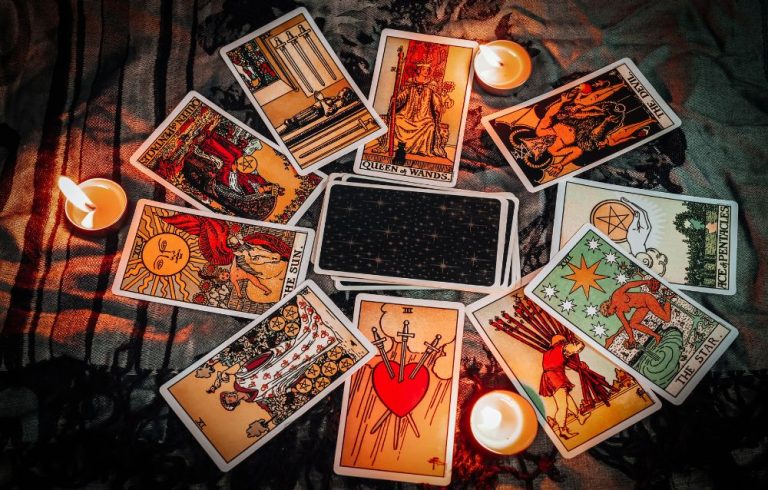
Want a magical reading? Create a magical space. Light a candle. Play calming music. Scatter some crystals around if you’ve got that aesthetic going. I swear, the right ambiance makes you feel like a wise mystic from a fantasy novel and helps your intuition flow smoother than coffee on a Monday morning.
- Journaling Is Your Best Friend
Every spread has a story-it’s like a postcard from your intuition. Writing down your readings helps you track not only what the cards are telling you but also how consistent (or completely bananas) your interpretations might be over time. Plus, flipping back through your journal later can reveal patterns and underlying themes that might just blow your mind.
- Practice with Purpose
Don’t just shuffle and draw for the fun of it (although, no judgment if you do). Have a specific question in mind. The more focused your question, the sharper the insights your cards will deliver. Think of it like asking a genie for a wish-vague and you’re playing with fire, but specific and you’re golden.
Common Mistakes To Avoid
- The “All The Cards!” Overload
Sometimes you’ll be tempted to go all out and throw down a million cards, hoping for some grand revelation à la dramatic TV psychics. Pro tip: Don’t. Too many cards at once can make your reading as messy as spaghetti on a toddler’s plate. Keep it simple-less is honestly more when it comes to clarity.
- Ignoring Card Position Meanings
Pulling a spread and ignoring each card’s position is like reading a book and skipping half the chapters-you’re not getting the full story. If the second card is supposed to represent “challenges,” don’t go off on a tangent about hopes and dreams for it instead. Stick to the framework your spread provides.
- Being Too Literal
“The Tower card? My world must be literally burning down!” Hold your horses. Tarot is all about symbolism, not just face-value predictions. The Tower could mean a dramatic breakthrough or an intense change, not necessarily that your life will implode. Avoid scaring yourself silly by taking everything as a direct prophecy.
- Skipping Grounding Practices
Diving straight into a reading without grounding yourself is like jumping into rush hour traffic without a map-it’s chaotic and unclear. Take a deep breath. Shuffle intentionally. Center your focus. This keeps you connected to your intuition, not your distractions.
- Overasking-Like the Friend Who Can’t Stop Texting
Asking the same question over and over? Yeah, don’t do that. Tarot isn’t a Magic 8-Ball and doesn’t appreciate being pestered. Give your reading some space to marinate before you whip out the cards again. Trust the process instead of replaying the same track on repeat.
Through these hands-on experiences, I’ve found tarot spreads to be a mix of methodical structure and intuitive magic. It’s all about finding your groove while steering clear of some common traps.