Big 6 Astrology – Get To Know Your Cosmic Blueprint

When exploring the vast cosmos of astrology, most people are familiar with their Sun sign – the zodiac sign determined by your birth date that’s featured in horoscopes. However, experienced astrologers know that your cosmic blueprint is far more complex and nuanced than just one sign.
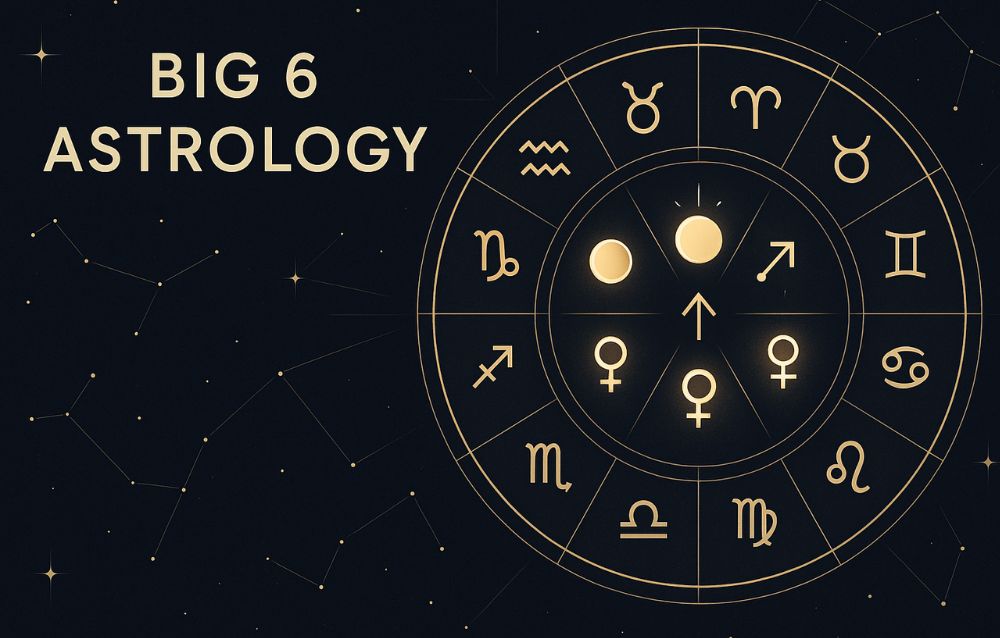
Enter the “Big 6” in astrology – the six primary planetary placements that form the foundation of your astrological identity.
What Are the Big 6 in Astrology?
The Big 6 refers to six main elements in your birth chart that collectively paint a comprehensive picture of your personality, tendencies, and life path:
- Sun Sign – Your core essence and identity
- Moon Sign – Your emotional landscape and instinctive reactions
- Rising Sign (Ascendant) – Your outward personality and first impressions
- Mercury Sign – Your communication style and thinking patterns
- Venus Sign – Your approach to love, beauty, and values
- Mars Sign – Your energy, passion, and how you take action
These planetary positions at the moment of your birth create a unique celestial fingerprint that goes well beyond the simplistic daily horoscope predictions many are familiar with.
Breaking Down Each Component
Sun Sign: The Conscious Self
Your Sun sign represents your core identity – who you are at your essence. It governs your basic personality traits, life purpose, and the ways you express your individuality.
“The Sun in astrology is analogous to the Sun in our solar system – it’s the central, radiating force around which everything else revolves,” explains astrological historian Robert Hand in his foundational text “Planets in Transit.”
For instance, a Taurus Sun typically demonstrates steadfastness and practicality, while a Gemini Sun often exhibits curiosity and adaptability as core personality traits.
Moon Sign: The Emotional Self
If your Sun represents who you are consciously, your Moon sign reveals who you are emotionally and instinctively. It governs your inner emotional landscape, subconscious patterns, and comfort needs.
The Moon changes signs approximately every 2.5 days, making it a much more personalized placement than your Sun sign.
Someone with a Cancer Moon might process emotions through nurturing others, while a Sagittarius Moon might need freedom and philosophical exploration to feel emotionally balanced.
Rising Sign (Ascendant): The Social Self
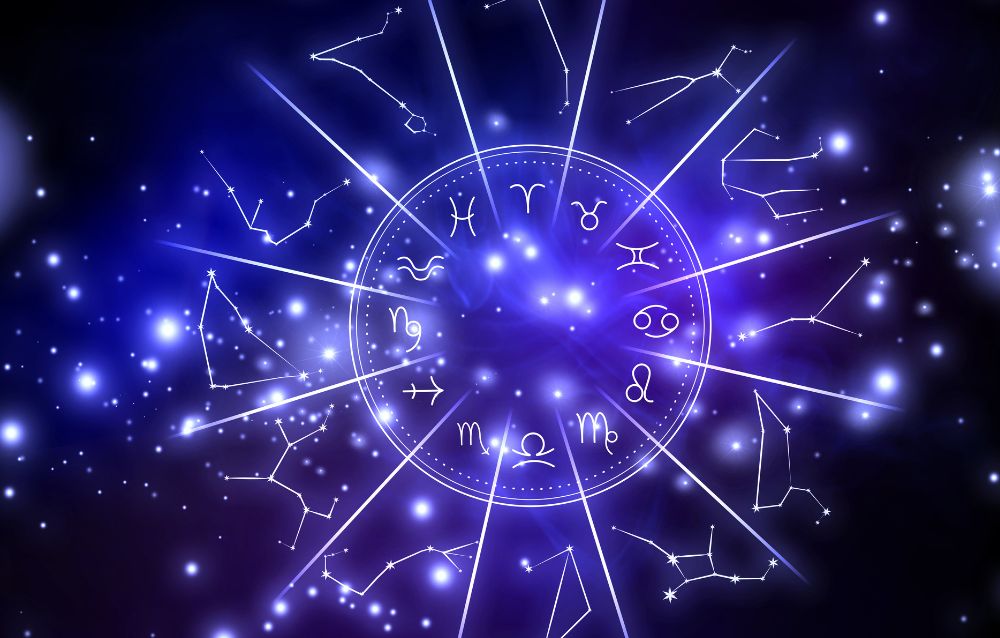
Your Rising sign, or Ascendant, is determined by which zodiac sign was rising on the eastern horizon at the exact moment of your birth.
This placement governs your outward personality – how others perceive you upon first meeting.
The Ascendant changes signs approximately every two hours, making it one of the most personalized aspects of your chart.
An Aries Rising person often comes across as direct and energetic, while a Pisces Rising individual might appear dreamy and compassionate.
Mercury Sign: The Thinking Self
Mercury governs communication, learning, and information processing. Your Mercury sign reveals how you think, speak, write, and process information.
“Mercury never travels more than 28 degrees from the Sun,” notes astrologer Steven Forrest in “The Inner Sky,” “which means your Mercury is either in the same sign as your Sun or in an adjacent sign.”
This proximity creates an interesting relationship between your core identity and your communication style.
A Virgo Mercury tends toward analytical and precise communication, while a Leo Mercury might express themselves dramatically and creatively.
Venus Sign: The Loving Self
Venus governs what and how you love—both people and things. Your Venus sign influences your approach to relationships, your aesthetic preferences, and what you value.
Someone with Venus in Libra often seeks harmony and balance in relationships, placing high value on partnership, while Venus in Scorpio might approach love with intensity and a desire for deep emotional connection.
Mars Sign: The Active Self
Mars represents your drive, ambition, and how you assert yourself. Your Mars sign shows how you take action, pursue desires, and express anger.
A person with Mars in Capricorn tends to channel energy methodically with an eye toward long-term achievement, while Mars in Aries often takes direct, immediate action driven by impulse and enthusiasm.
How the Big 6 Work Together
Getting to know your Big 6 is about recognizing how these energies integrate and sometimes conflict within you.
For example:
- A person with Sun in Taurus (steady, practical) but Mars in Gemini (restless, curious) might experience tension between their need for stability and their drive for variety.
- Someone with Moon in Cancer (emotionally sensitive) but Venus in Aquarius (emotionally detached in relationships) might struggle between needing emotional security and craving independence in partnerships.
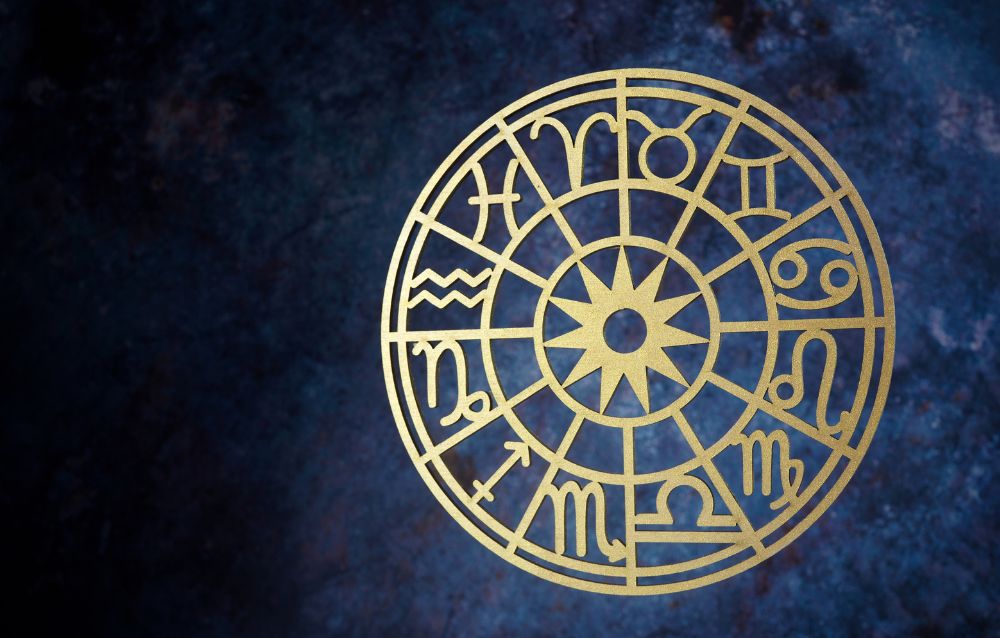
As astrologer Liz Greene points out in her seminal work “Relating,” “The birth chart is a mandala – a symbolic representation of the whole psyche.”
The Big 6 creates the foundation of this mandala, with each component representing different but interconnected aspects of yourself.
How to Calculate Your Big 6
To determine your Big 6 placements, you’ll need:
- Your birth date
- Your exact birth time (crucial for accurate Rising sign)
- Your birth location
With this information, you can generate your birth chart using numerous online calculators or consult with a professional astrologer for interpretation.
Practical Applications of the Big 6
Understanding your Big 6 offers several practical benefits:
Self-awareness: Recognizing why you might be naturally inclined toward certain behaviors or patterns.
Relationship dynamics: Understanding compatibility beyond simplistic Sun sign matches by comparing how all your planetary placements interact with others’.
Personal growth: Identifying potential challenges and strengths in your chart to work with rather than against your natural tendencies.
Timing life events: Tracking how current planetary movements (transits) affect your Big 6 placements can help you navigate life changes more effectively.
Beyond the Big 6
While the Big 6 forms an excellent foundation, a complete birth chart contains additional important elements:
- Houses: The 12 sectors of your chart that represent different life areas
- Aspects: The angular relationships between planets that reveal how different parts of your personality interact
- Other planetary placements: Jupiter, Saturn, Uranus, Neptune, Pluto, and others that add further dimension
The historical development of astrology as we know it today spans thousands of years, from ancient Mesopotamian observations to Hellenistic systematization, through medieval preservation and renaissance revival, to modern psychological approaches.
The Big 6 concept represents a contemporary framework for making this ancient wisdom accessible and practical.